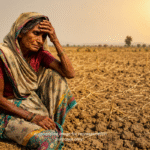

India is home to thousands of charitable organisations, ranging from small community groups to large, long-established trusts, each working on different causes such as education, healthcare, disaster relief and elder care. For someone donating for the first time, it isn’t always clear how to tell a well-run, accountable organisation apart from one that may not use funds as intended. This is where understanding the basics of charitable trusts becomes useful.
For a first-time donor, it isn’t always easy to tell a well-run, accountable organisation apart from one that may not use funds as intended. With thousands of charitable organisations operating across the country, deciding where to direct your support can be genuinely difficult. Understanding what separates a trustworthy charitable trust from the rest is the first step toward giving with confidence, rather than guesswork.
What Makes a Charitable Organisation Trustworthy?
Trust isn’t built on good intentions alone. It’s built on structure, transparency and consistency. Here are the key factors that matter most. Reviewing the factors below gives you a fuller picture of how responsibly an organisation operates.
Registration and Legal Credentials
A credible charitable organisation in India should be properly registered, whether as a trust, society, or Section 8 company and should hold valid documentation such as Section 133 tax exemption (erstwhile Section 80G) certification, which also allows donors to claim tax benefits on their contributions. Organisations with a long, verifiable operating history, some spanning several decades, often reflect a stronger foundation of accountability and experience.
Transparency in How Donations Are Used
Trustworthy organisations are clear about where donor money goes. This includes publishing financial statements, outlining programme budgets and being upfront about administrative versus programme spending. If an organisation is vague or evasive about fund usage, that’s worth noting.
Impact Reporting and Accountability
Beyond financial transparency, credible charities regularly share impact reports, updates that show how contributions translate into real outcomes, whether that’s the number of people served, programmes run, or communities reached. Consistent reporting signals that an organisation values donor trust as an ongoing relationship, not a one-time transaction.
How to Research a Charity Before Making a Donation
Before contributing to any charitable trust, a little research goes a long way. Reviewing an organisation’s credentials and public information can help you avoid unnecessary doubt later and ensure your contribution reaches the cause you intend to support.
Common Red Flags to Watch For
- No registration details or tax exemption information available
- Lack of clarity on how funds are allocated or spent
- No published impact reports, annual reports, or audited financials
- Pressure tactics that push for urgent or emotional donations without context
Making a Donation With Confidence
Once you’ve verified an organisation’s credentials, transparency and track record, you can move forward with clarity. Look for organisations that offer multiple ways to give, whether one-time or recurring and that make it easy to understand exactly how your contribution will be used. Established organisations with recognised credentials, awards, or long-standing legacies often provide an added layer of assurance for first-time donors.
What Makes HelpAge India a Trustworthy Organisation?
HelpAge India has worked in the field of elder care for over 48 years, with a track record that donors can verify directly rather than take on faith. The organisation’s history and credentials reflect decades of registered, on-ground work across the country.
For those who want to look closer before contributing, HelpAge India makes several key documents publicly available. Its financial statements and annual reports outline exactly how funds are used and what outcomes they’ve supported.
Its policy documents go a step further, laying out the organisation’s stance and approach on the issues it works on.
Beyond published records, HelpAge India’s news updates offer an ongoing look at its work as it happens, while its awards and recognitions reflect external validation of that work, including the UN Population Award 2020. Together, these sources give donors a clear, documented basis for trust rather than assurances alone.
Conclusion
Choosing where to donate is a personal decision, but it doesn’t have to be a complicated one. By checking for proper registration, transparency in fund usage and consistent impact reporting, you can identify charitable organisations that align with your values and use your contribution responsibly. Organisations with decades of proven work, verified credentials and recognitions such as the UN Population Award 2020 are often strong examples of the kind of accountability donors should look for. Taking the time to research before you give is one of the simplest ways to ensure your generosity creates real, lasting change.
FAQs
1. What documents should I check before donating to a charitable trust?
Look for valid registration details, Section 133 tax exemption (erstwhile Section 80G) certification and published financial or impact reports. These indicate the organisation operates with legal and financial transparency. It also helps to check how long the organisation has been active, since a longer operating history usually means more established systems for handling donations responsibly.
2. How can I verify if a charity is genuine?
Check their registration status, look for transparency around fund usage and review any published impact or annual reports. A longer, verifiable track record is often a positive sign, as is visibility through credible recognitions, media coverage, or partnerships with known institutions. If an organisation’s website or communication clearly explains its programs and outcomes, that’s usually a good indicator of genuine, organised work.
3. What red flags suggest a charity may not be trustworthy?
Be cautious of organisations that lack registration information, are vague about how funds are used, or rely heavily on urgent, emotionally-driven appeals without offering any supporting context or data. It’s also worth being cautious of organisations that cannot clearly answer basic questions about their programs or refuse to share any written documentation when asked.
4. Can I donate a smaller amount if I’m just starting out?
Yes, most credible charitable organisations welcome contributions of any size and many also offer recurring monthly donation options for those who want to build giving into a regular habit. Starting small is a completely reasonable way to begin supporting a cause while you continue learning more about the organisation’s work over time.
5. How does HelpAge India ensure transparency and trustworthiness?
HelpAge India makes its financial statements, annual reports, and policy documents publicly available, so donors can review exactly how funds are used rather than relying on assurances alone. Combined with over 48 years of registered, on-ground work and valid tax exemption certification under Section 133 of the Income Tax Act, 2025, these published records give donors a clear, verifiable basis for trust.